
Highlights
- Railways minister Ashwini Vaishnaw announces ban on black "prince suit" uniform worn by railway staff.
- Move part of Modi government's campaign to eradicate colonial symbols and nurture Hindu pride.
- Railway officials asked to suggest alternative uniforms reflecting Indian culture.
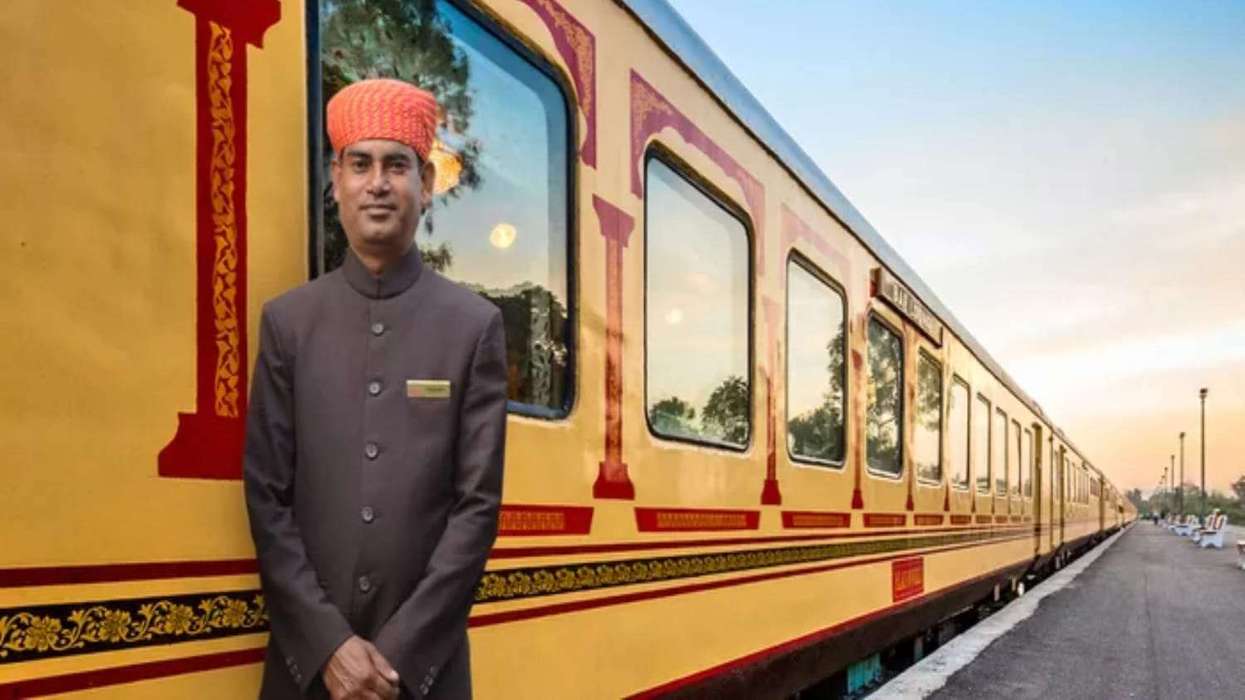
India's railway staff will no longer wear the traditional Bandhgala uniform following a government directive to eliminate colonial-era symbols from the country's largest employer.
Railways minister Ashwini Vaishnaw announced the black "prince suit" jacket, a staple of Indian railway uniforms since British rule, has been removed from the official dress code.
The formal coat with a Chinese collar and buttons to the neck was introduced in the late 19th century, modelled on Western attire.
"We have to get rid of all colonial mindset," Vaishnaw declared. "We need to find each of them and remove them, whether it's in our working style or dressing style.
From today onwards, the black prince coats that the British introduced will no longer be a part of formal dress in railways."
The Bandhgala has become deeply embedded in Indian culture, worn by men at weddings and important ceremonies. Despite this cultural adoption, prime minister Narendra Modi's government views it as a remnant requiring removal.
The uniform ban represents the latest phase of Modi's extensive decolonisation programme targeting language, geography and military traditions.
Wider decolonisation drive
Recent changes include replacing 96 colonial-era portraits at the presidential palace with Indian wartime heroes and renaming Port Blair to Sri Vijaya Puram in 2024.
Since taking office in 2014, Modi has systematically renamed British-legacy locations. Race Course Road became Lok Kalyan Marg in 2016, while Ross Island, Neil Island and Havelock Island were renamed after Indian independence figures in 2018.
The Navy's ensign underwent redesign in September 2022, removing St George's cross from warships. Modi called this move essential to eliminate "remaining traces of slavery and a colonial past".
The new Parliament building received a redesigned national emblem in July 2022, marking what Modi termed "another important milestone in the decolonisation of Lutyens Delhi", referencing British architect Sir Edwin Lutyens.
Railway authorities must now propose culturally appropriate Indian alternatives, though no replacement uniform has been announced.
Home secretary Amit Shah stated last June that Indians speaking English would eventually feel "ashamed" to do so.
"The goal of a developed India is to remove any trace of the colonial mindset, taking pride in our roots, unity and sense of duty among citizens," Modi said last summer.