
- An Indian clean energy executive has called on Britain and Europe to diversify away from China
- India is building domestic manufacturing capacity for renewable equipment
- New data suggests India is electrifying faster than China did at a similar stage
Britain and Europe should reduce their dependence on China for clean energy equipment and consider India as an alternative supplier, the head of a major Indian renewable energy company has said.
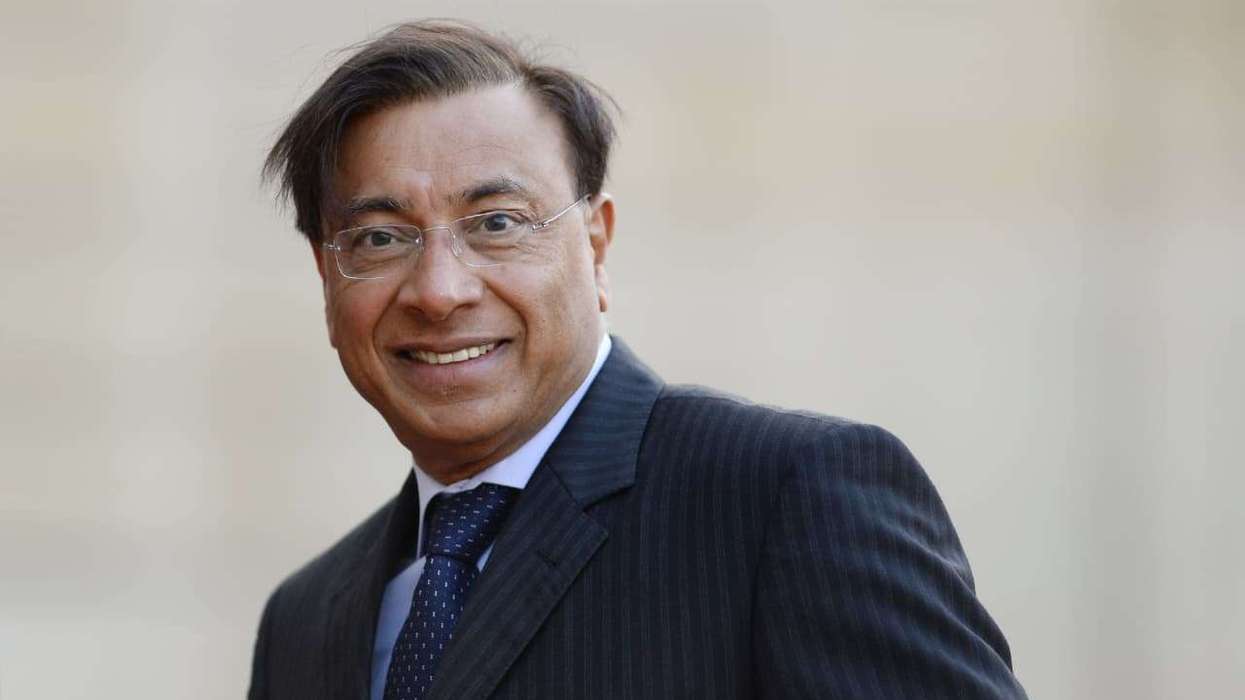
Sumant Sinha, founder and chief executive of ReNew, said China currently dominates the clean energy supply chain, from solar panels to wind turbines, leaving other economies exposed. He made the comments as quoted in a news report, ahead of British Prime Minister Keir Starmer’s planned visit to China.
Sinha reportedly said China has a “lock on the entire clean-energy supply chain” and argued that relying on a single source undermines long-term energy security. He added that while Chinese equipment is cheaper, diversification requires accepting higher costs.
India’s pitch to the West
India is working to build its own clean energy manufacturing base, backed by tariffs and buy-local policies designed to reduce imports of Chinese equipment. ReNew, which started as a power generation company, has expanded into making solar panels and cells.
Sinha was quoted as saying India could develop a full domestic supply chain — from raw materials to finished panels — within a decade. At present, China controls more than 70 per cent of global capacity across these stages.
He acknowledged that Indian-made equipment is unlikely to match Chinese prices in the near term, citing subsidies, scale and research advantages in China. Still, he said paying 15 per cent to 20 per cent more could be justified to avoid strategic dependence.
Britain’s clean energy plans remain heavily tied to China. Around two-thirds of the solar panels installed in the UK are imported from China, and most panels worldwide rely on Chinese-made materials.
Sinha said discussions with European companies showed interest in diversification, but high costs and policy uncertainty have made local manufacturing in the EU unattractive. Importing part of their clean energy equipment from India, he suggested, could be a more realistic option.
Data that explains the timing
Recent data helps explain why India is being positioned as an alternative. A report by energy think tank Ember, cited by Bloomberg, shows India is electrifying its economy faster than China did at a comparable stage of development.
After adjusting income levels for purchasing power, the report places India’s current per-capita income alongside China’s in 2012. At that point, India is using less coal and oil per person while adding clean electricity more rapidly.
Electric vehicles accounted for about 5 per cent of new car sales in India in 2024. At a similar development stage, China’s per-capita oil use for road transport was around 60 per cent higher, according to the report.
The shift is being driven largely by economics rather than climate targets. India imports over 40 per cent of its primary energy, with fossil fuel imports costing around £118 billion ($150 billion) a year.
However, the report also flags risks. China still controls much of the machinery needed to set up clean energy manufacturing elsewhere. This has already constrained India’s plans, including a reported pause by Reliance Industries in domestic battery manufacturing due to equipment shortages.
Together, the comments from industry and the data underline a growing debate in Europe and Britain: whether to prioritise the cheapest route to net zero or accept higher costs to spread supply chains across countries such as India.