
Highlights
- Ramsay's restaurant group operates 34 UK venues but recorded operating loss despite rising sales in 2024.
- Industry faces closure of 963 restaurants, 574 hotels and 540 pubs this year without government intervention.
- Chancellor Rachel Reeves confirms support package will only cover pubs, excluding wider hospitality sector.
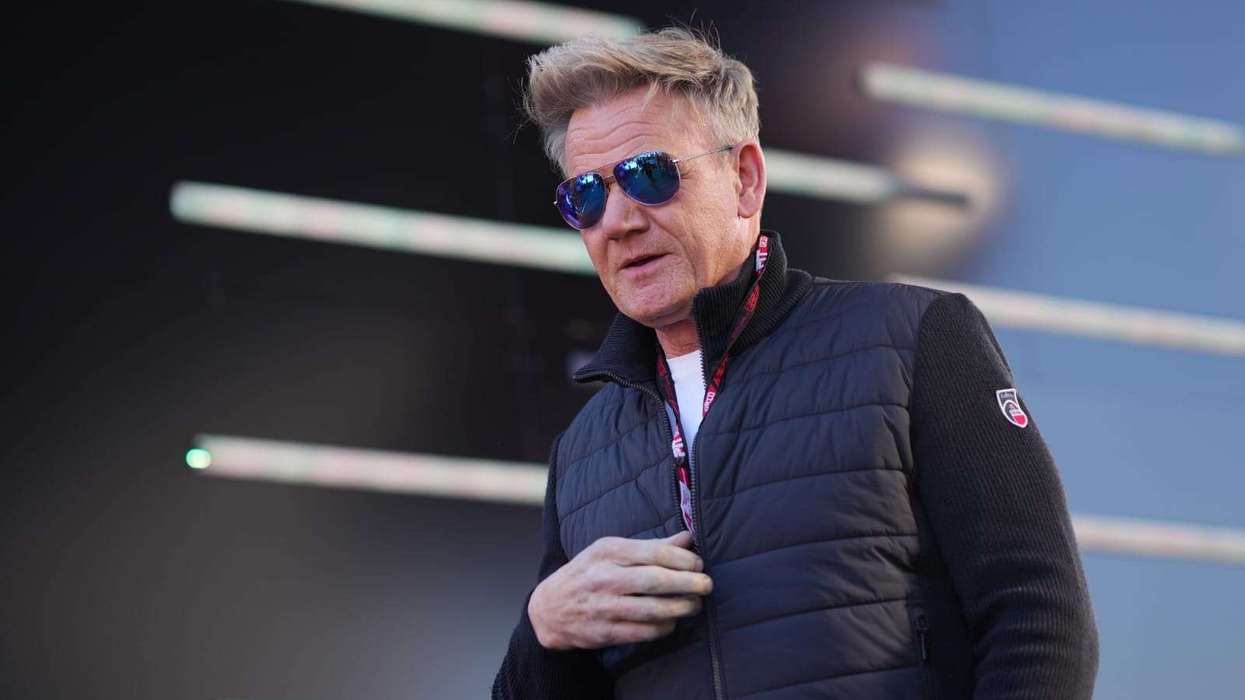
Celebrity chef Gordon Ramsay has criticised government tax policies, warning that Britain's hospitality sector faces a "bloodbath" due to business rate increases set to take effect in April.
Gordon Ramsay Restaurants operates 34 establishments across the UK including Bread Street Kitchen, Pétrus and Lucky Cat, told Standardnews site that the industry is experiencing unprecedented challenges.
"I've never seen it so bad," Ramsay said, describing hospitality businesses as "lambs to the slaughter" under the upcoming budget measures.
The industry is grappling with rising business rates following the removal of generous Covid-19 support schemes, replaced with lower discounts coinciding with property revaluations.
This comes as restaurants simultaneously face increased energy costs, staffing expenses, ingredient prices and reduced consumer spending amidst the cost-of-living crisis.
Ramsay's company recorded an operating loss in 2024 despite growing sales, according to the latest available accounts. "We're being suffocated," the chef stated, calling for a 20-25 per cent reduction in business rates.
He emphasised that ongoing recovery from the pandemic makes current conditions worse than the 2008 financial crisis.
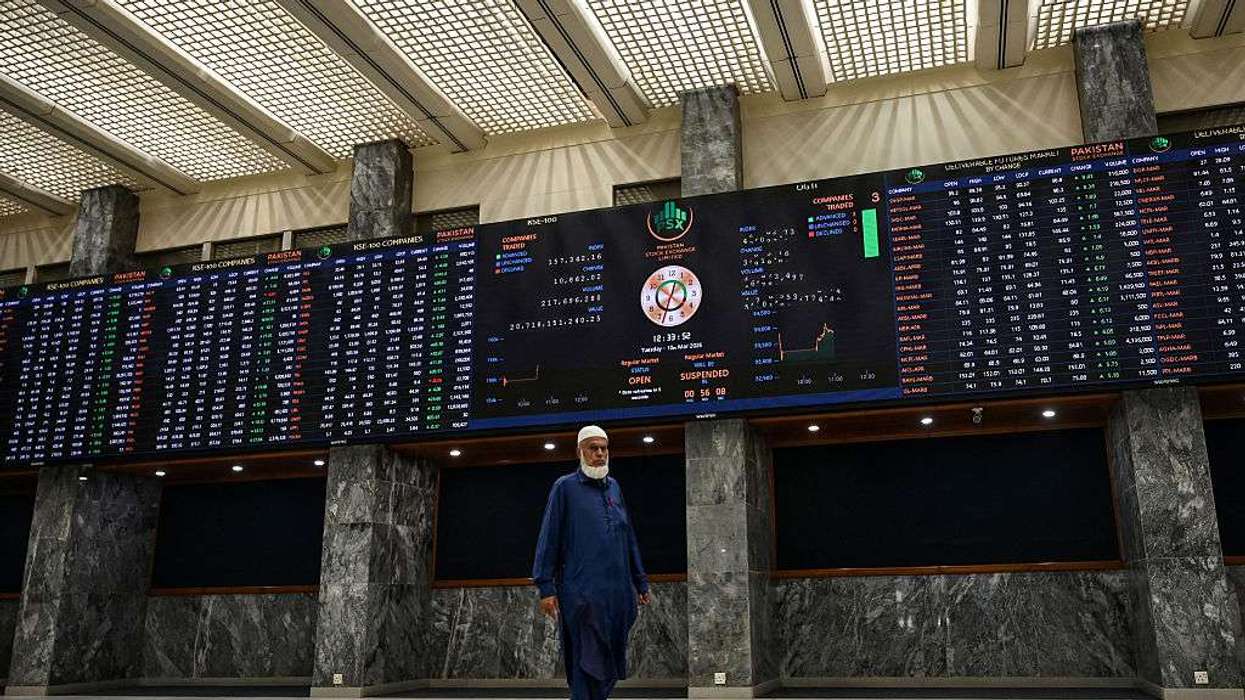
Trade body UKHospitality forecasts that without comprehensive government assistance, increased rates will force closure of approximately 963 restaurants, 574 hotels and 540 pubs this year.
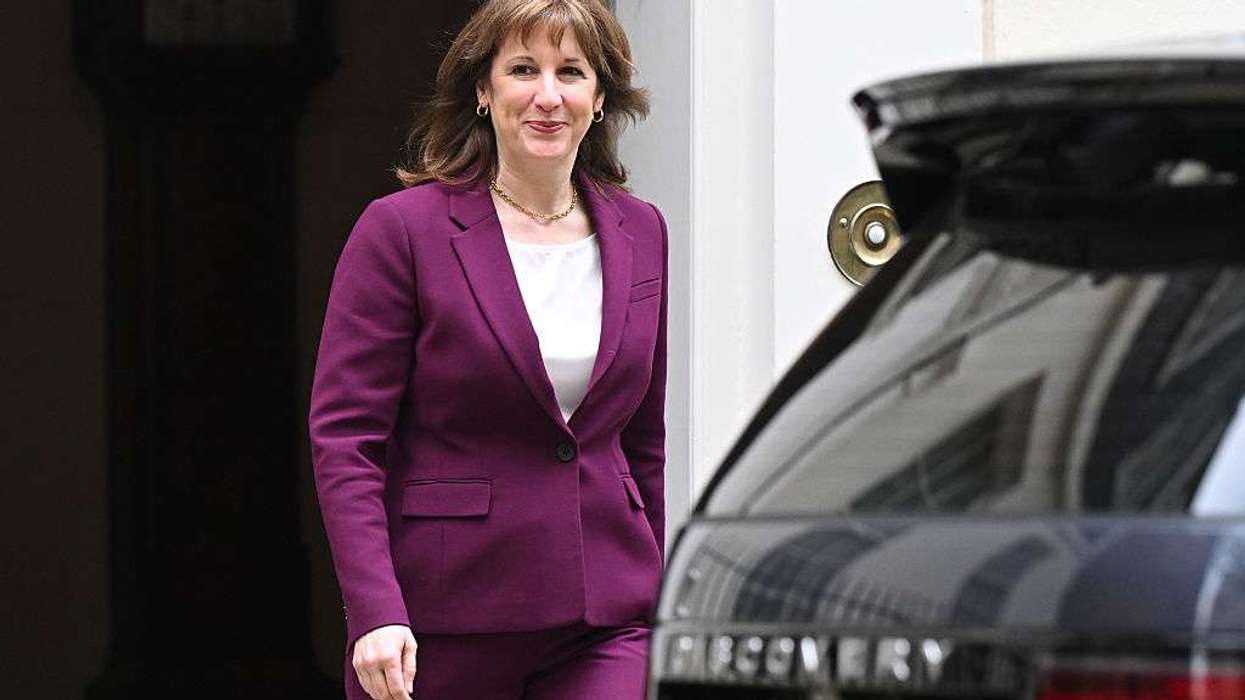
However, chancellor Rachel Reeves confirmed at the World Economic Forum in Davos that her planned support package would exclusively benefit pubs, excluding the broader hospitality sector.
Ramsay criticised the rapid implementation timeline, stating "The trouble is that the rises are coming in too quickly, at one of the worst possible moments."
He urged government consultation with industry leaders to better understand the consequences of their policies.
With household budgets squeezed, consumers are reducing discretionary spending on dining out, making it impossible for establishments to offset costs through price increases.