
- Manufacturers are pushing the UK government to approve the Rosebank oil field.
- Energy costs and global oil prices remain elevated due to Middle East tensions.
- Industry leaders warn delays could worsen pressures on British manufacturing.
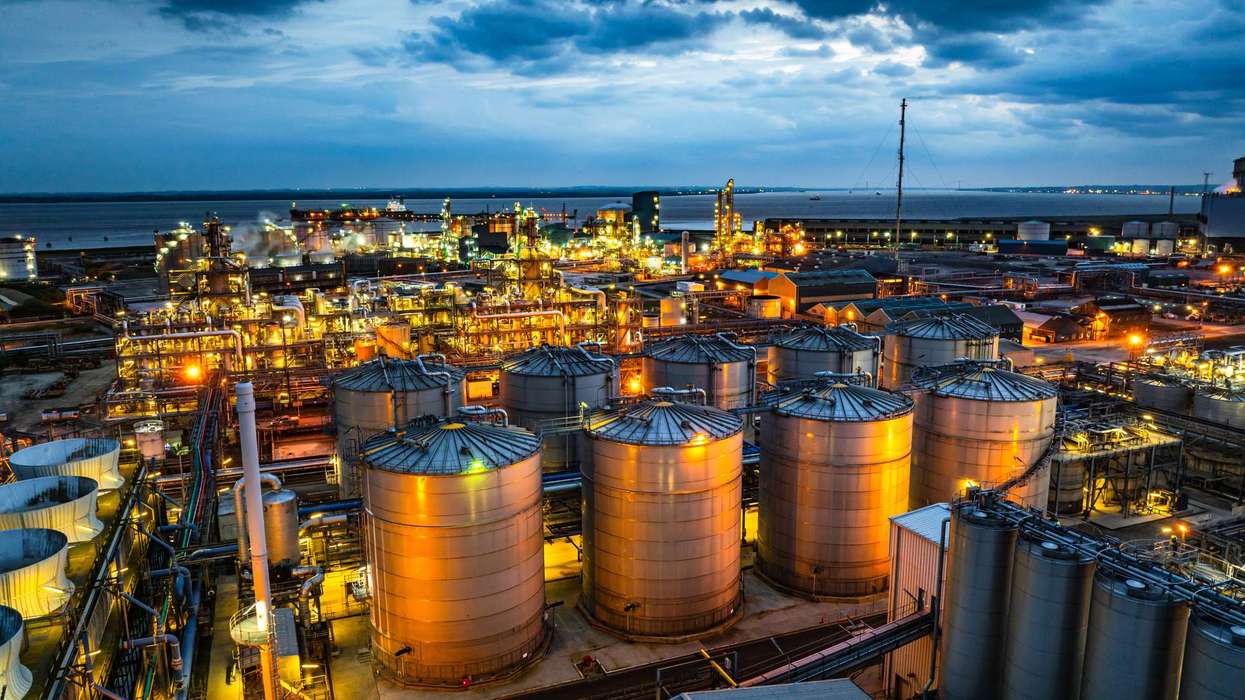
Britain’s manufacturers are urging the government to approve drilling at the Rosebank oil field, warning that delays could worsen already high energy costs for businesses.
The call has come from Make UK, the lobby group representing thousands of manufacturers ranging from food producers to steelmakers. The organisation says the government should allow production at Rosebank and the Jackdaw gas field in the North Sea to move ahead as part of efforts to protect the country’s energy security.
In a message directed at energy secretary Ed Miliband, industry leaders said access to domestic energy reserves could help ease pressure on businesses facing rising operating costs.
Stephen Phipson, chief executive of Make UK, reportedly said manufacturers want the government to act quickly on both projects.
“Manufacturers are calling for the government to act quickly to progress with the Rosebank and Jackdaw developments to mitigate energy costs and energy security because of the conflict in the Middle East,” Phipson reportedly said.
He added that industrial energy prices in Britain were already among the highest faced by manufacturers globally.
Oil market turmoil adds pressure
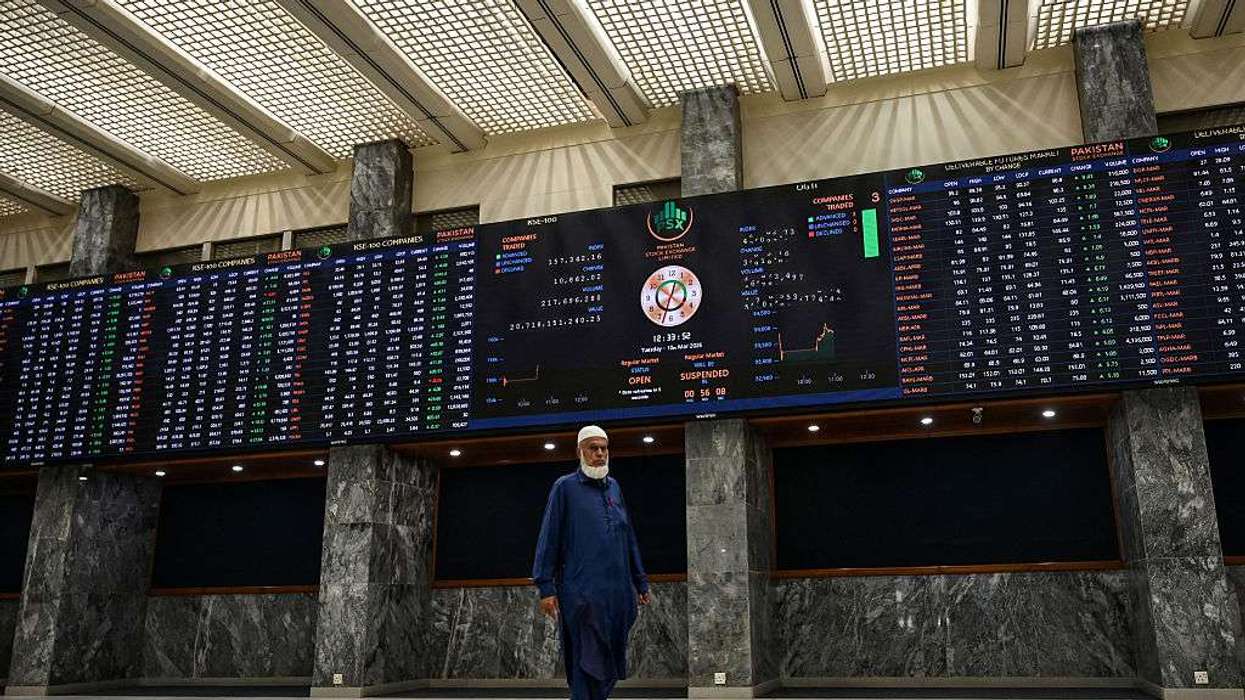
The push for new North Sea production comes as global oil markets remain unsettled following the conflict involving the US, Israel and Iran.
Oil prices surged above £74 per barrel ($100) earlier in the crisis as shipping through the Strait of Hormuz — one of the world’s most important oil routes — was disrupted. The waterway normally handles roughly 20 per cent of global oil shipments.
Prices have since eased slightly, with Brent crude trading around £67 per barrel ($90), though still well above the roughly £52 per barrel ($70) levels seen earlier in the year.
Analysts have warned that further price increases could create wider economic risks. Some projections suggest the UK economy could even face recession in a worst-case scenario if oil prices climb sharply over the coming months.
Manufacturers say the impact of sustained energy price increases would eventually reach factories, even if companies initially hedge energy contracts to shield themselves from short-term market spikes.
Debate over drilling continues
The issue has become part of a wider debate about Britain’s energy strategy.
Make UK argues that failing to develop domestic oil and gas resources could leave manufacturers exposed to global market volatility and accelerate the country’s industrial decline.
Phipson reportedly warned that continued pressure on energy costs could push some businesses to the brink.
“The recent developments in the Middle East add huge pressures to the sector and risk accelerating de-industrialisation,” he reportedly said.
He also noted that although many manufacturers are investing in renewable energy, access to domestic oil and gas remains important in the short to medium term.
“Ensuring the UK has access to its own energy reserves is now vital,” he reportedly said.
However, the government has so far resisted calls to approve more drilling licences.
Miliband has argued that expanding North Sea production would not significantly reduce energy costs because oil and gas prices are set in global markets.
Critics counter that producing more energy domestically could still benefit the UK by generating additional tax revenue and reducing reliance on imports — money that could potentially be used to invest in future energy infrastructure.