
Highlights
- Christmas spending to reach £24.6 bn, averaging £461 per adult.
- November sales disappoint with 1.1 per cent drop in card spending amid budget uncertainty.
- Mild weather dampens fashion sales while cost of living remains top concern.
British consumers are expected to spend £24.6 bn on Christmas presents and celebrations this year, representing a 3.5 per cent increase on 2023, despite a sluggish start to festive trading, according to a PwC survey published on Friday.
The forecast indicates essentially flat sales in real terms, with inflation running at 3.6 per cent in October. Average spending per UK adult is projected to reach £461, with top priorities being food and drink, Christmas dinner, and health and beauty products.
However, retailers have faced challenging conditions in recent weeks. Barclays reported that spending on its credit and debit cards fell 1.1 per cent year-on-year in November, marking the biggest drop since February 2021 during the Covid-19 pandemic.
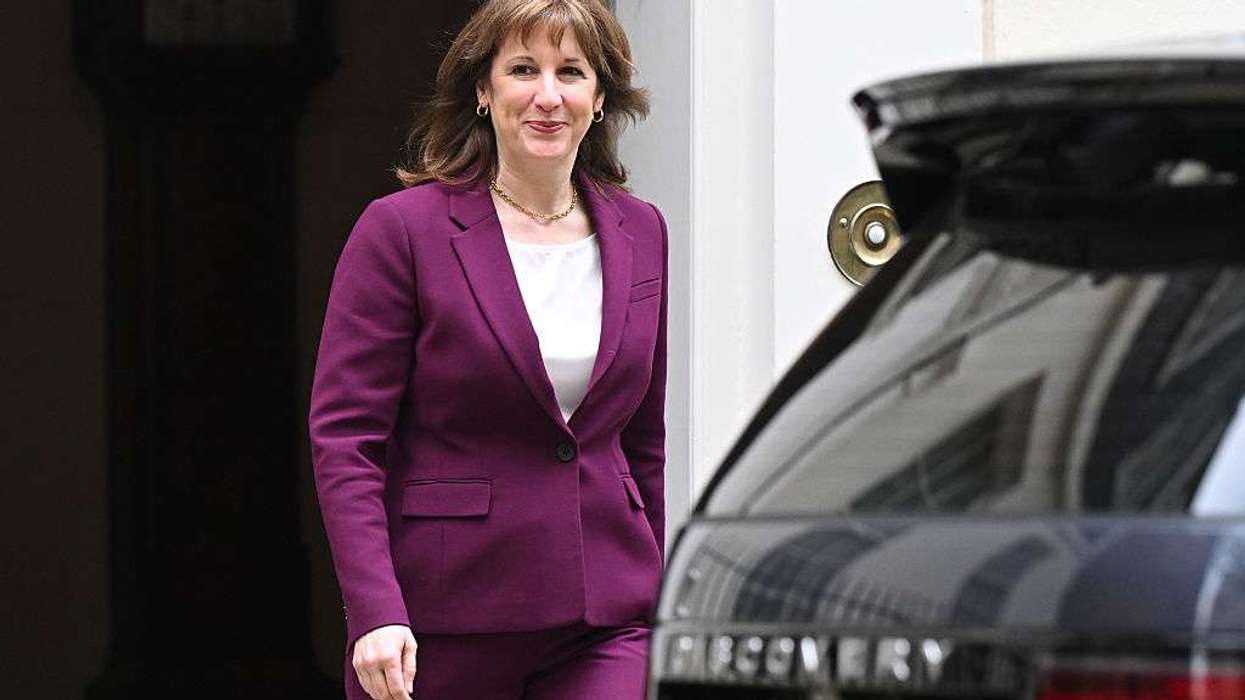
Consumers tightened their purse strings while awaiting finance minister Rachel Reeves' budget announcement.
The British Retail Consortium separately found that spending at major retailers grew just 1.4 per cent annually last month, the slowest growth since May.
Black Friday sales also disappointed traders, according to survey data published on Tuesday. Analysts have highlighted that unusually mild autumn and early winter weather has particularly hurt fashion retailers, dampening sales of high-ticket items such as coats and boots.
Among consumers planning to spend less this Christmas, the cost of living was cited as the primary reason for cutbacks.
"Post Budget, we should see clarity on personal finances easing some of the caution we have seen this Autumn, which has contributed to a slow start to the critical Golden Quarter for some retailers", Jacqueline Windsor, head of retail at PwC UK, told Reuters
The findings come as PwC separately forecast the steepest year-over-year decline in US holiday spending since the pandemic, driven primarily by Generation Z shoppers reducing expenditure amid economic uncertainty.