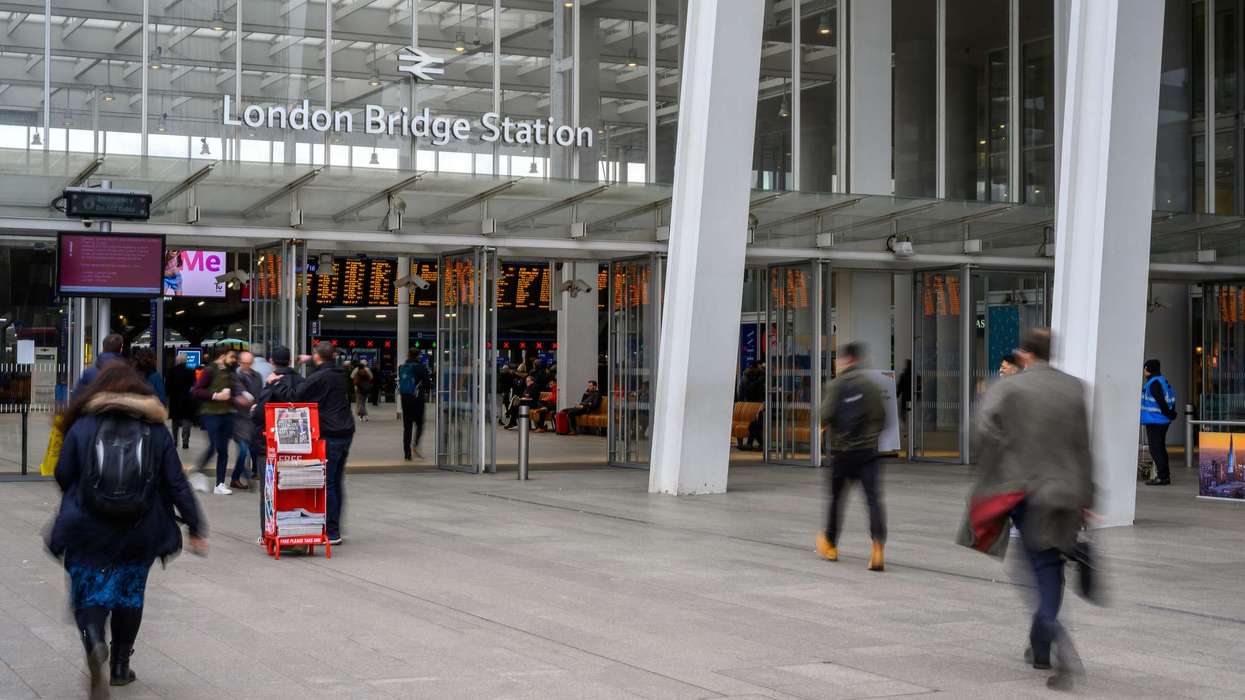

Highlights
- British Transport Police launch six-month live facial recognition trial at London stations.
- Technology scans faces against watchlist of serious offenders, with alternative routes available.
- Critics describe system as 'stop and search on steroids' amid ongoing legal challenge.
The pilot programme, announced in November, uses cameras that scan faces and compare them against a watchlist of individuals wanted for serious criminal offences.
Chief superintendent Chris Casey, BTP's senior officer overseeing the project, stated "I want to reiterate that this is a trial of the technology to assess how it performs in a railway setting."
Ch Supt Casey said a "significant amount of research and planning" had preceded the pilot, adding the aim was to "make the railways a hostile place for individuals wanted for serious criminal offences, helping us keep the public safe".
When cameras identify potential matches, alerts are reviewed by officers before additional checks occur.
BTP confirmed alternative routes would be available for those wishing to avoid recognition zones, while images of individuals not on the authorised database would be deleted immediately.
The force will publish dates and locations of all deployments online in advance and seeks public feedback through QR codes on displayed posters.
Privacy concerns mount
Matthew Feeney, advocacy manager at Big Brother Watch, criticised the initiative following November's announcement, stating "We all want train passengers to travel safely, but subjecting law-abiding passengers to mass biometric surveillance is a disproportionate and disturbing response."
Feeney highlighted that facial recognition technology remains unregulated in the UK, with police forces "writing their own facial recognition rules, including those governing how they use the technology and who they place on watchlists".
He described the technology as "especially offensive in a democracy where neither the public nor Parliament has ever voted on its use".
The Metropolitan Police currently faces a legal challenge over its live facial recognition use from campaigners Shaun Thompson and Big Brother Watch director Silkie Carlo. The High Court heard the case on 27 and 28 January.
Thompson, stopped by police outside London Bridge Tube station in February last year, described the technology as "stop and search on steroids".
Representing the Met, Anya Proops KC stated that until 18 September 2025, officers made 801 arrests "specifically as a result of LFR", arguing the public privacy intrusion was "only minimal".