
Electricity costs and household energy conversations in the UK have traditionally been dominated by two numbers: how much energy you use and how much you pay for it. But focusing only on consumption and cost misses out on several deeper, actionable opportunities for homeowners. Modern energy management isn't just about slashing bills — it's about understanding where energy is used, when it's most effective, and how different kinds of energy demand can be optimised over time.
In this article, we explore three smart technologies that address exactly that — each tackling a different part of household energy demand: storage, generation, and thermal loads. The goal isn't just savings, but control, resilience, and smarter use of the energy you already produce or import.
Rethinking household energy: More than just bill control
Until recently, UK homeowners have viewed electricity as a linear service: the grid sends power, you use it, you pay for it. Yet that model is increasingly misaligned with the true dynamics of modern homes — particularly under rising energy prices and shifting usage patterns.
Today's homes are becoming more dynamic: electric vehicles, smart appliances, heat pumps and even home working all add new timing and load challenges. To manage these intelligently requires solutions that both generate and store energy, and meet high-demand segments such as hot water production.
What is home battery storage and why does it matter
If there's one technology that has moved beyond niche use into practical home deployment, it's home battery storage. This isn't just a backup for outages — it's a tool for better everyday energy use.
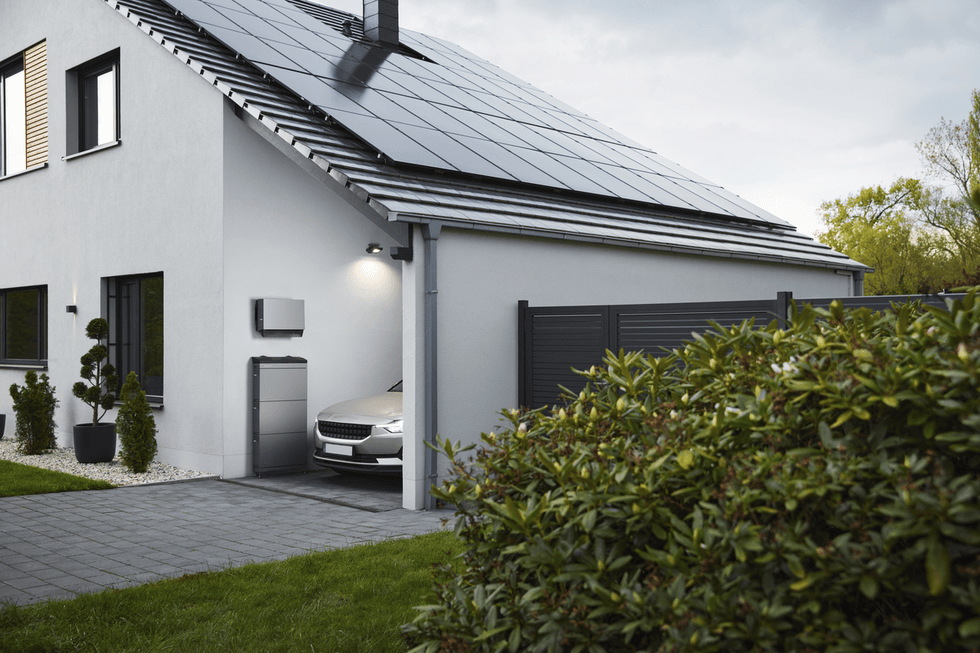
EcoFlow's home battery solutions, such as the PowerOcean series, are designed for intelligent energy use and adaptability. They come in configurations for both one-phase and three-phase supply, with a single 5kWh battery, expandable up to 45kWh at any time, depending on household needs. These systems use lithium iron phosphate (LFP) chemistry and advanced Battery Management Systems (BMS) for safety and long cycle life, supporting frequent charge and discharge cycles without compromising reliability.
 ecoflow
What home battery storage actually does
- Stores excess energy from solar or low-cost grid periods for later use.
- Reduces peak grid dependency by supplying stored power during high-use periods.
- Improves efficiency and energy autonomy, meaning less reliance on imported electricity.
- Adapts to household demand with modular and scalable architecture.
Unlike early battery systems used primarily for backup, today's solutions integrate with home energy flows — allowing homeowners to make decisions based on when energy is used, not just how much.
Why solar power is only the beginning
Solar panels are one of the most visible symbols of home energy autonomy, but they are only part of the picture. Centre for Sustainable Energy (CSE) on solar power for your home explains that photovoltaic (PV) systems convert sunlight into electricity during daylight hours, with generation closely tied to solar irradiance rather than household demand. Because typical electricity use in UK homes peaks in the early morning and evening—outside peak solar production—solar generation alone often needs to be supported by additional strategies to fully meet everyday energy needs.Key points about solar generation
- PV panels generate electricity throughout the day, even on overcast days, though output varies.
- Electricity from solar can be used directly or stored for later when paired with a storage system.
- Solar generation is a foundation — but without storage, much of its potential value is lost because excess production during low-use hours cannot be retained.
For example, a well-designed solar system might produce far more energy than you need midday, only for the household to require most of its electricity in the evening. By itself, solar reduces grid demand during generation hours — but paired with storage, it can meaningfully offset evening consumption when electricity is most expensive.
 ecoflow
The overlooked energy load: Hot water
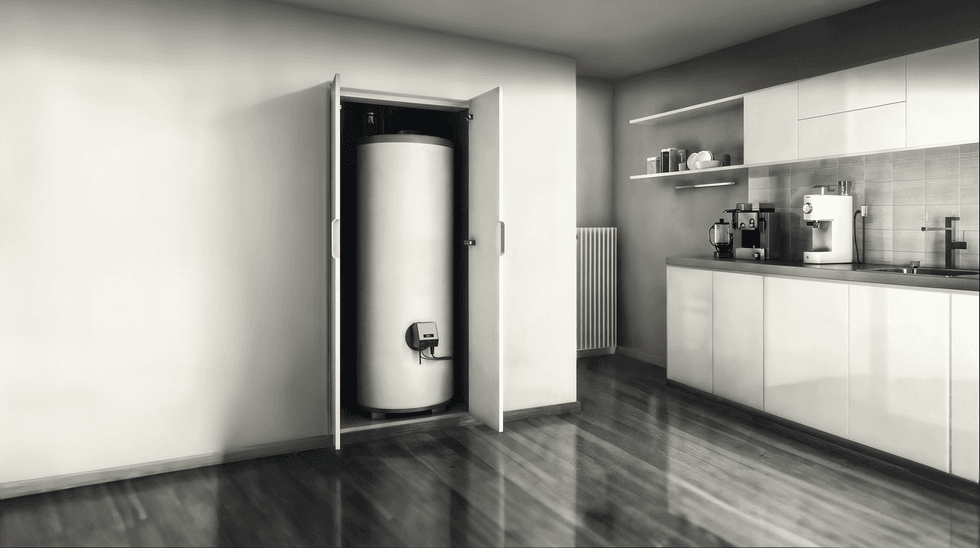
A major part of household energy usage often flies under the radar: water heating. Whether it's showers, dishwashers or laundry, hot water demand represents a consistent, high-energy load — and often one that is overlooked in simple electricity usage discussions.This is where the concept of a solar water geyser comes into play — and it's an example of how thermal energy fits into broader home energy strategies.How solar water heating works
Instead of generating electricity, solar thermal systems capture heat directly from the sun using collectors on the roof. This heat is transferred via fluid into an insulated tank, where it warms your household water supply. Because water has a high heat capacity, once it's heated, it stays warm longer, making solar water heaters efficient for daily use.
 ecoflow
Why it's important
- A well-sized system can supply a large portion of a household's hot water needs — up to 80–90% in summer and 20–30% in winter.
- Over a year, this often averages out to around 60–70% of hot water demand covered by free solar energy.
- Reducing the need for electric or gas heating of water can directly reduce overall energy consumption and bills.
Why these technologies matter together (but in your daily life)
At first glance, battery storage, solar panels, and solar water heaters might seem like different solutions. In reality, they address different kinds of household demand pressures:- Solar panels tackle when and where energy is generated.
- Storage systems manage when energy is used.
- Solar water heaters deal with what type of energy (thermal vs electric) is needed.
Real-world scenarios: Understanding energy flows
Imagine two households with identical total energy usage and identical electricity bills. One uses most energy during daytime hours (when solar is generating), and the other uses most in the evening (after solar production drops). Even if the monthly bill is similar, the value derived from generation and storage can be drastically different. The household with daytime usage gets more benefit from solar directly, while the evening-heavy home benefits much more from storage. Understanding this difference is crucial for informed decisions.What a normal electricity bill looks like in the UK
To put things in perspective, industry analyses report that the daily patterns of consumption and timing of use matter as much as the total quantity consumed when it comes to costs. Looking at a "baseline normal electricity bill UK" helps homeowners understand why some strategies are more effective than others.The average UK household electricity bill reflects both the units consumed and the timing of those units. Even with protective policies like the energy price cap, UK bills can vary widely depending on usage patterns — meaning two households can have the same bill but very different effective costs depending on when electricity is consumed.Practical takeaways for UK homeowners
- Start with awareness: Before investing in technologies, assess how and when your household uses energy. Smart meters and home energy monitoring tools can reveal usage patterns that aren't obvious from a single monthly bill.
- Solar isn't just about panels: Generating electricity is only half the story. You'll get more value when production matches actual use. Without storage, much of the solar potential is lost or underutilised.
- Thermal loads count: Hot water and heating are often the largest single loads in UK homes. Addressing thermal demand with solar water geysers can reduce pressure on electrical systems and reduce overall energy dependence.
- Storage smooths peaks: Storage shifts energy availability from when it's convenient to when it's needed, which can be significantly different in practice. Homes that use stored power during high-demand periods reduce grid reliance and protect against price spikes.
Conclusion
Energy use in the home is no longer a passive experience. With tools like home battery storage, smarter approaches to solar power for your home, and targeted solutions like a solar water geyser, UK households can rethink what it means to use electricity and heat water effectively.Rather than merely aiming to lower bills, this approach helps align your household's energy behaviours with smarter, more intentional use of the grid and renewable resources — yielding long-term benefits that go beyond just numbers on a statement.
This article is paid content. It has been reviewed and edited by the Eastern Eye editorial team to meet our content standards.