
- MPC member suggests two to three more rate cuts may be needed.
- Inflation is easing but unemployment risks are rising.
- Tariff pressures could weigh on the UK economy for years.
The Bank of England could make up to three more interest rate cuts as inflation moves closer to its 2 per cent target, according to a Monetary Policy Committee member, signalling a possible shift towards a more accommodative stance as economic risks evolve.
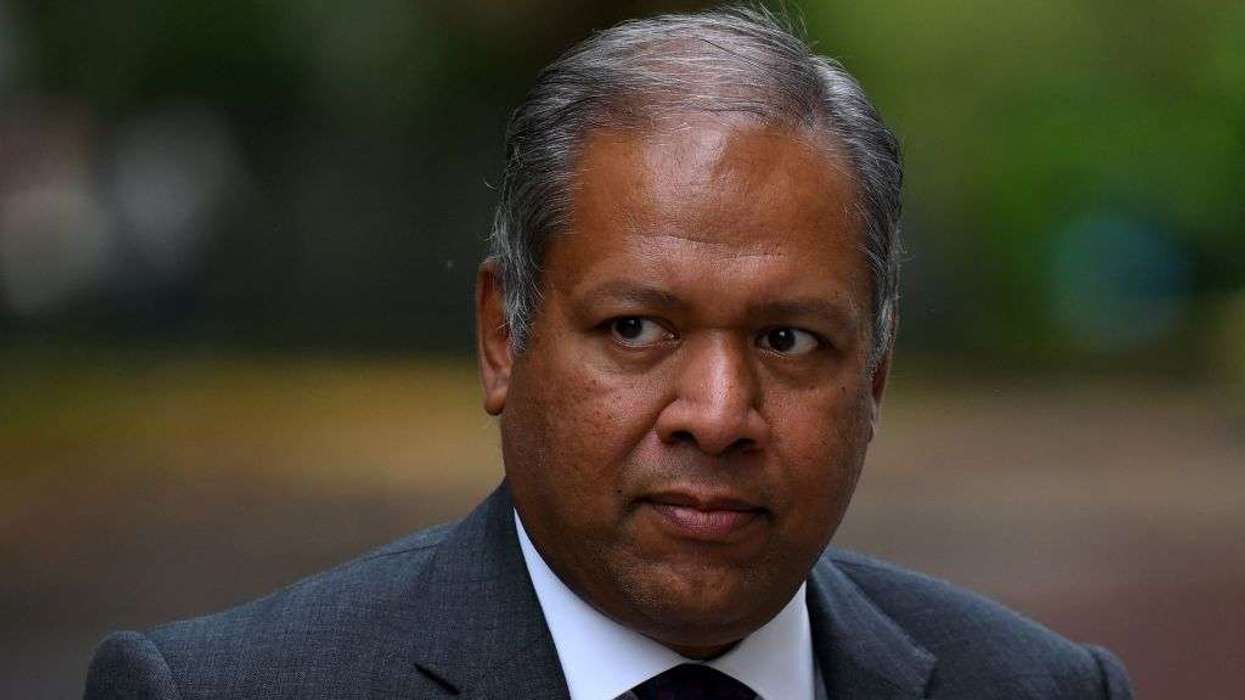
Alan Taylor, an external member of the committee who has repeatedly backed larger rate cuts over the past 18 months, suggested the Bank may need to ease policy further as the jobs market weakens and wage growth slows. His comments come as expectations build around the future path of UK interest rates and the broader economic outlook.
Taylor reportedly said he had become more confident that inflation was moving back towards normal levels, adding that risks now appear to be shifting towards lower inflation and higher unemployment. He suggested there could be “two or three rate cuts to go before the theoretical neutral level,” as quoted in a news report.
Inflation easing, but risks remain
Recent data appears to support the view that price pressures are softening. Figures from the Office for National Statistics showed inflation eased to 3 per cent in the year to January, down from 3.4 per cent the previous month, helped by lower prices for petrol, bread and airfares.
Taylor also flagged the possibility that inflation could undershoot the Bank’s 2 per cent target, though he acknowledged continued risks from persistent services inflation, which policymakers closely monitor when assessing underlying price pressures.
He suggested the labour market was “converging on a pessimistic outlook” and warned that weak productivity growth could weigh on the economy, with lower interest rates potentially helping to support activity.
Taylor has previously pointed to recession risks as a reason to favour faster rate cuts than those backed by some other policymakers, though he pushed back against suggestions that unemployment would remain structurally high.
Tariff pressures cloud the outlook
The comments come as Bank officials prepare to face questions from the Treasury Committee on February’s monetary policy report, with policymakers expected to be asked about the pace of rate cuts and the potential economic effects of new US tariff measures.
Taylor reportedly said the UK should prepare for a prolonged period of higher global tariffs, describing the shift as the US moving into a “high tariff regime”. He suggested the impact of the changes could play out over several years even if headline tariff levels appear relatively stable.
The government is continuing discussions with US officials to protect trade arrangements agreed in May last year, particularly those covering sectors such as cars and pharmaceuticals. A No 10 spokesperson reportedly said talks were ongoing and that officials were assessing how a new flat tariff rate could affect UK businesses, adding that “everything was on the table” when asked about possible responses.
Taken together, the remarks suggest policymakers are weighing a complex mix of easing inflation, a softer labour market and external trade pressures as they consider the path for interest rates in the months ahead.