
BANGLADESH will hold its general elections on February 12, the first since the ouster of the Sheikh Hasina-led Awami League government in a student-led protest in August 2024.
Chief Election Commissioner (CEC) AMM Nasir Uddin announced the schedule in an address to the nation on Thursday, saying, "Voting will take place on February 12, 2026, from 7:30 am to 4:30 pm."
A referendum will also be held that day to gather public opinion on reform proposals from the Chief Adviser Muhammad Yunus-led National Consensus Commission.
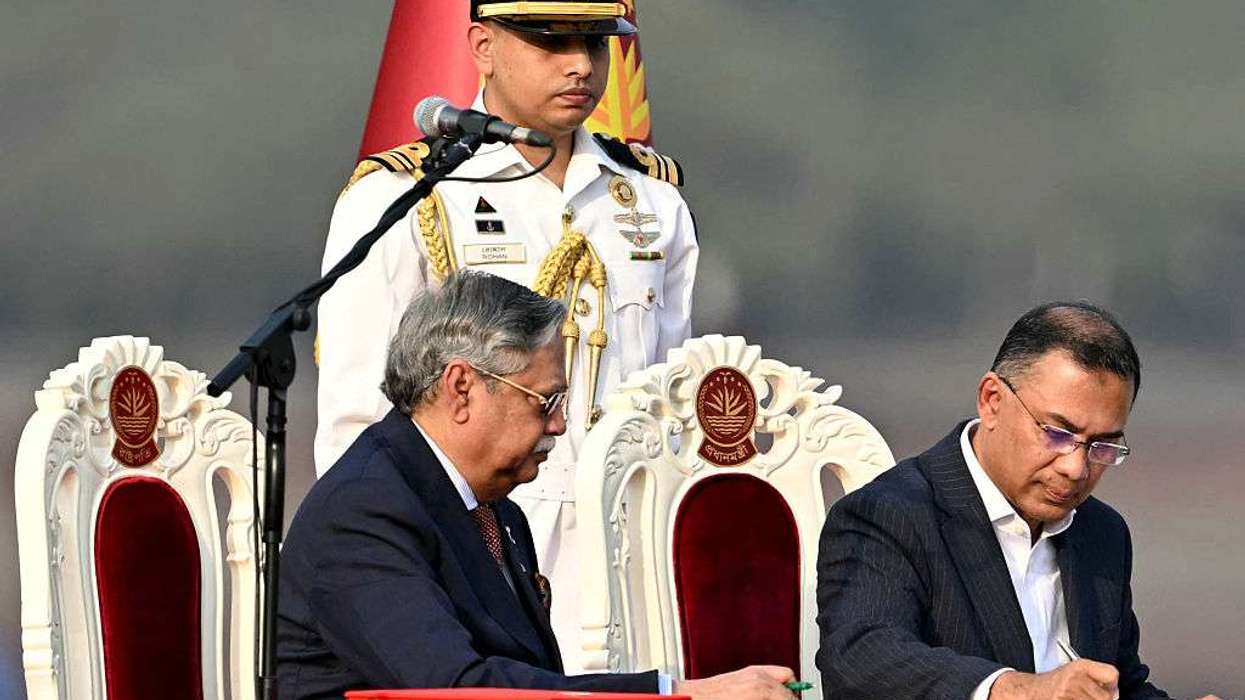
The announcement followed a meeting between the CEC and President Mohammed Shahabuddin, who assured him of “optimum support and cooperation” to conduct the elections in a "free, fair and meaningful" way. Nasir Uddin called for "sincere participation and active cooperation” from political parties, candidates and voters for both the election and referendum.
The last general elections were held in January 2024, which Hasina won amid controversy and a boycott by major parties. Protests broke out six months later, forcing Hasina to leave for India on August 5, 2024. Yunus took over as chief adviser three days later.
The interim government has banned the Awami League under an anti-terrorism law. Hasina, 78, has been convicted and sentenced to death for "crimes against humanity" during the July-August mass uprising last year and has been living in India. She has said that holding elections without her party would be "sowing the seeds" of further division and that many of her supporters would not vote.
In a statement on X on Thursday, the Awami League rejected the election schedule announced by what it termed the "illegal government's illegal election commission." The party said, "It is now clear that the current occupying authority is entirely biased, and that under their control it is impossible to ensure a fair and normal environment where transparency, neutrality, and the people's will can be reflected." It demanded that restrictions on the party be lifted, "fabricated cases" against Hasina and other leaders be withdrawn, all political prisoners be released and that a neutral caretaker government be appointed to hold a free and participatory election.
Human Rights Watch, based in New York, has condemned the ban on the Awami League as "draconian."
In the absence of the Awami League, former prime minister Khaleda Zia's Bangladesh Nationalist Party (BNP) has emerged as the frontrunner, with its former ally Jamaat-e-Islami as its main rival. Both parties have announced their nominees for the 300-seat parliament.
BNP Secretary-General Mirza Fakhrul Islam Alamgir said on Thursday that the party's acting chairman, Tarique Rahman, would return to Bangladesh "very soon" after 17 years of exile in London. "The day our leader steps onto Bangladesh soil, the entire country should feel his presence,” he said.
Jamaat, which opposed Bangladesh's 1971 independence and was banned days before the previous government's ouster, has re-emerged under Shafiqur Rahman following the student protests.
The National Citizen Party (NCP), formed in February, is the political wing of Students Against Discrimination (SAD), which led last year's street movement that ended with Hasina's removal. The NCP has joined with Amar Bangladesh (AB) party, an offshoot of Jamaat-e-Islami, and Rashtra Songskar Andolon to form the ‘Gonotantrik Sangskar Jote.’
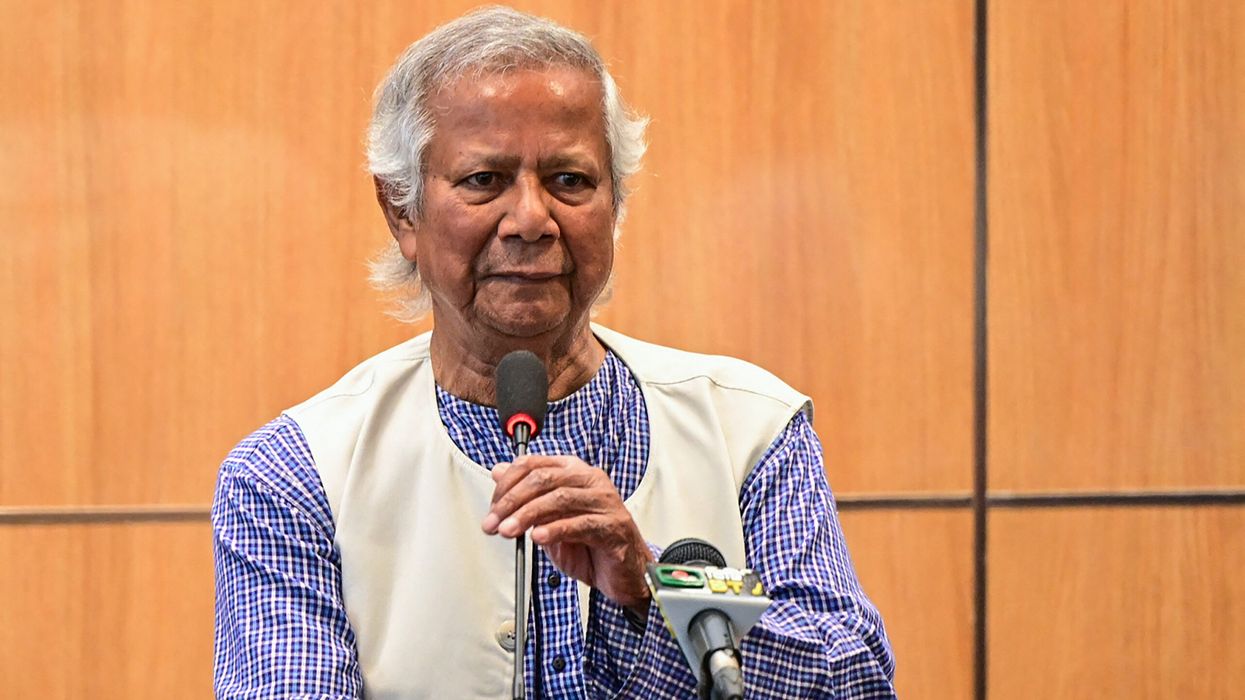
Yunus has said on several occasions that Bangladesh will see its “historic” elections in February. Addressing grassroots administrative officials on Wednesday, he said, "This is a historic responsibility. If we can fulfil it properly, the next election day will become historic for the people as well."
According to the schedule, nomination papers must be submitted by December 29. Scrutiny will take place from December 30 to January 4. January 20 is the last date to withdraw candidature. The final list will be published on January 21.
(With inputs from agencies)