
- Loss expected to exceed earlier forecasts amid weaker demand.
- US tariffs and falling deliveries weigh on performance.
- Company eyes recovery in 2026 with new model mix.
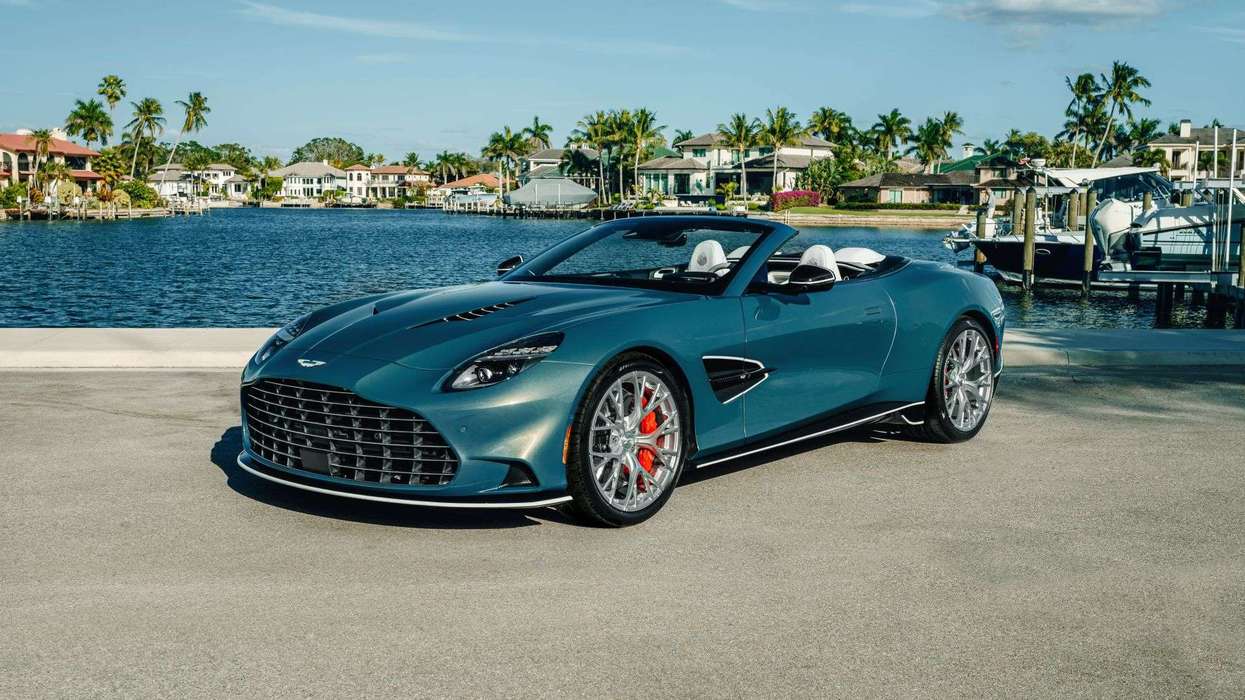
Aston Martin has warned it will post a larger than expected annual loss, underscoring the growing strain on the British luxury carmaker as falling sales and US trade tariffs continue to bite. The update adds another setback for the company’s turnaround strategy under majority owner Lawrence Stroll.
The Gaydon-based manufacturer said its full-year adjusted pre-tax loss is likely to come in worse than the earlier low-end consensus of £184 million, pointing to a tougher trading backdrop than previously anticipated.
The company delivered 5,448 cars in 2025, down nearly 10 per cent from 6,030 the year before, as it flagged what it described as a “highly challenging trading environment” and fewer high-margin special edition deliveries, reportedly said in a news report.
In a bid to strengthen its finances, Aston Martin plans to sell the naming rights to its Formula 1 team in perpetuity, a move expected to bring in about £50 million. The carmaker had already extended its naming arrangement with the team, operated by parent AMR GP Holdings, through to 2055.
The company said it expects a “material improvement” in 2026, driven partly by changes in its product mix, including around 500 deliveries of the delayed Valhalla hybrid supercar.
Aston Martin had already cautioned investors in October that 2025 would remain a loss-making year, with sales down by nearly 10 per cent and ongoing disruption linked to Valhalla production. It also pointed to plans to move closer to break-even while improving cashflow after burning through nearly £400 million in 2024.
Trade tensions have added to the strain. Tariffs introduced under President Trump, some of which were declared illegal on Friday by the US Supreme Court, have been particularly challenging given Aston Martin does not manufacture vehicles in the US.
Shipments to the US resumed in June after a three-month pause following a UK-US agreement that capped tariffs on up to 100,000 British-built cars a year at 10 per cent. However, the company said the quota system adds complexity and makes forecasting harder for the current financial year and potentially from 2026 onwards, reportedly said in a news report.
Debt pile remains heavy
Net debt stood at about £1.4 billion as of October despite restructurings and fresh equity injections from shareholders including Stroll’s Yew Tree Consortium, Geely, the Saudi Public Investment Fund and Mercedes-Benz.
Total liquidity was around £250 million at the end of 2025, broadly flat year on year, while cost-saving measures are expected to cut adjusted operating expenses by 16 per cent to £262 million. Capital expenditure is projected to fall to £341 million from £401 million, with gross margins expected at roughly 29.5 per cent.
Jefferies said last month that a 40 per cent gross margin target still appears a “distant goal” in the fourth quarter, as quoted in a news report, with analysts also trimming volume growth forecasts for the 2026-27 financial year.
Shares closed down 1p, or 1.5 per cent, at 58¾p on Friday, leaving the stock nearly 50 per cent lower over the past year.