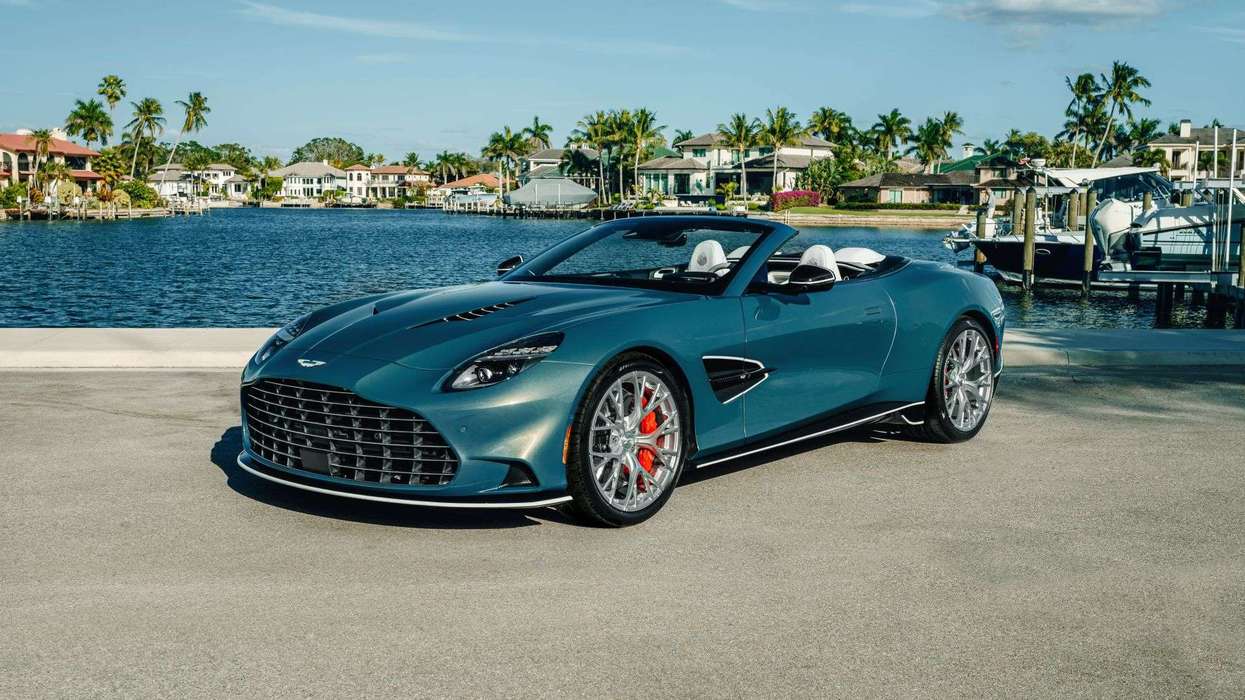

- Around 600 roles could be affected as the company cuts 20 per cent of its workforce.
- Losses widened sharply amid tariffs and weaker sales.
- Electric vehicle plans face further delays as focus shifts to hybrids.
Aston Martin is planning to cut hundreds of jobs after posting losses of £364m in 2025, underscoring the pressure facing the luxury carmaker as it grapples with weak demand and trade tensions. The latest Aston Martin results highlight the strain on the luxury automotive sector, with tariffs and slowing sales weighing heavily on performance.
The company said about 20 per cent of roles would be cut in a move aimed at saving around £40m, putting roughly 600 jobs at risk out of a workforce of about 3,000. Losses widened significantly from £100m the previous year, with the company pointing to tariffs linked to policies under Donald Trump as a key factor.
Sales fell by 10 per cent over the year as the business navigated higher costs and weaker demand in major markets, including the US and China.
Strategy reset as EV plans pushed back
Alongside the job cuts, Aston Martin signalled further delays to the launch of its first electric vehicle as it reviews its electrification strategy. The company said it plans to focus more on hybrid models while trimming investment over the next five years by £300m, much of it tied to EV development.
The latest move follows earlier plans to cut 5 per cent of the workforce and a previous decision to delay the EV launch from 2026 to the late 2020s.
Chief executive Adrian Hallmark said the global luxury car market had faced one of its most turbulent periods in recent years, as quoted in a news report. He said the company had been forced to deal with policy uncertainty and supply chain challenges that affected volumes and margins, adding that geopolitical tensions had reshaped the competitive landscape and required “difficult decisions”, as quoted in a news report.
Tariffs led several British carmakers to pause shipments to the US between April and June last year while trade negotiations were ongoing. At the same time, China imposed higher taxes on luxury vehicles including the DBX SUV, DB12 grand tourer and Vantage sports car, pushing up prices and squeezing margins.
Aston Martin said it expects trading to improve later in the year, supported by an updated product line-up. Shares rose as much as 5 per cent in early trading following the announcement.
The company has yet to record a profit since listing in 2018, with cumulative losses now reaching £2.2bn. Over the same period, net debt has climbed from £560m to £1.4bn, while its share price has fallen by around 97 per cent.