
Buying a home in the UK is usually seen as a major life milestone. But once buyers move beyond the headline purchase price, they quickly discover a far more complex financial picture. From taxes and legal fees to insurance, surveys and long-term maintenance, the true cost of homeownership is much broader than many expect.
In today’s market, shaped by higher borrowing costs, policy shifts and persistent inflation, these hidden expenses are playing a bigger role than ever in shaping who can buy and when.
Recent figures show the scale of the commitment. According to the Office for National Statistics, the average UK house price stood at around £271,000 in early 2025. That figure alone represents a prominent financial hurdle. But industry experts say it is often the additional costs that ultimately determine affordability.
The hidden cost landscape and how it has evolved
“One of the biggest misconceptions buyers have is that the deposit and mortgage are the main financial hurdles,” says Jonathan Handford, executive consultant at Fine & Country, a global real estate agency operating across the UK property market. “In reality, the hidden and indirect costs can materially change affordability and even influence whether buyers decide to move at all.”
 Jonathan Handford, executive consultant at Fine & Country, Company handout
He says Stamp Duty remains the single largest additional expense for many buyers, particularly at higher price points. Government figures show Stamp Duty Land Tax receipts reached £13.9 billion in the 2024 to 2025 financial year, highlighting how significant this cost has become across the market.
Beyond tax, the combined impact of legal fees, surveys, mortgage arrangement charges, insurance and ongoing ownership costs can add a substantial financial layer. Handford notes that buyers are now far more financially cautious and are stress testing their finances not just against current interest rates but against future scenarios as well.
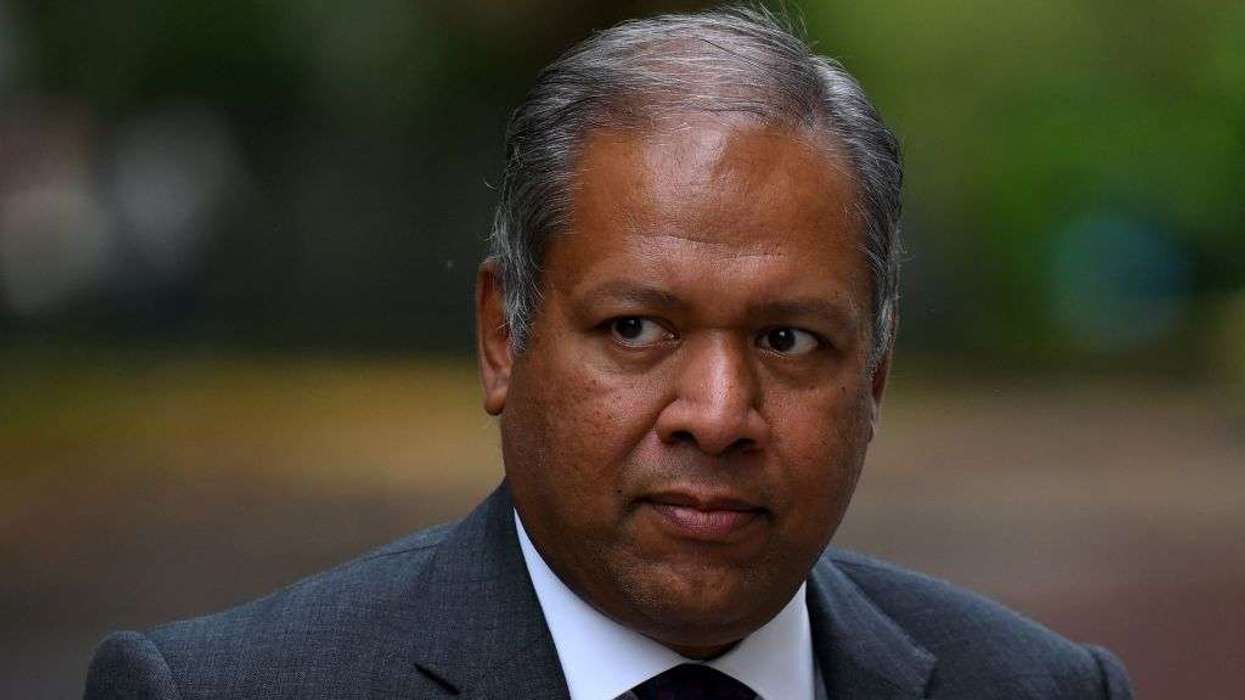
 Naziana Mehdy, real estate partner at London law firm Spector Constant & Williams Company handout
“These secondary costs can easily total between £10,000 and £20,000 on top of the deposit,” says Naziana Mehdy, real estate partner at London law firm Spector Constant & Williams, which specialises in UK property transactions. “Stamp Duty liabilities, mortgage fees and rising legal costs are all contributing to higher upfront spending.”
She notes that mortgage product fees alone can range from £999 to £2,000 depending on the lender, while legal and conveyancing costs have increased alongside inflation and compliance requirements. Buyers typically pay between £1,200 and £2,000 or more, particularly for leasehold properties. Surveys and valuations are also becoming more detailed as buyers grow more cautious about ageing housing stock, damp and structural risks, and many are finding they need to budget for energy efficiency improvements shortly after moving in.
“Buyers are often shocked by the gap between what they’ve saved and what they actually need to complete a purchase,” says Saddat Abid, chief executive of Property Saviour, a specialist property buying company based in the UK. “The system layers cost upon cost, and the deposit can sometimes represent less than half of the total upfront financial burden.”
He points to the April 2025 Stamp Duty reset as a major turning point, particularly for first-time buyers. With the tax-free threshold falling from £425,000 to £300,000, a first-time buyer purchasing a £400,000 home now faces a £5,000 bill that would not previously have applied. Abid notes this has prompted many buyers to adjust their search criteria or delay purchases while they build additional savings.
 Saddat Abid, chief executive of Property Saviour, Company handout
“Some buyers are still unaware of how significant Stamp Duty costs can be, especially when purchasing second homes,” says Nathan, owner of London-based Nathan K Real Estate, a consultancy specialising in high-value residential transactions across the UK property sector.
He adds that professional fees such as broker charges, solicitor add-ons, searches and transfers often exceed expectations once buyers see the full breakdown of costs. Legal fees can rise beyond initial quotes once searches, Land Registry charges, anti-money laundering checks and VAT are included, while survey costs can escalate if further investigations are needed following initial findings.
Where buyers are feeling the pressure most
Even though house prices have stabilised in some parts of the country, the overall cost of buying has continued to rise. Mehdy says higher mortgage rates, tighter lending criteria and rising professional fees mean the total cost of homeownership remains elevated even when property values plateau.
Bank of England data shows net mortgage borrowing stood at around £4.6 billion towards the end of 2025, with approvals at roughly 61,000. This suggests the market remains active but cautious. Financial Conduct Authority figures show new mortgage commitments reached £79.4 billion in late 2025, signalling continued demand despite tighter conditions.
Higher interest rates continue to shape affordability. They translate into larger monthly repayments, reduced borrowing capacity and higher total interest paid overtime. Inflation has also pushed up labour and material costs, which in turn has driven higher insurance premiums and service charges, particularly for leasehold flats.
Abid says the exchange to completion stage is often where buyers experience the biggest financial surprises. Survey findings can reveal structural issues, final mortgage offers can differ slightly from agreements in principle, and unexpected leasehold charges or insurance requirements can emerge just as buyers become financially committed.
Leasehold properties continue to carry additional costs including service charges, ground rents and building management fees, which can add hundreds or thousands of pounds each year. Changes introduced under the Leasehold and Freehold Reform Act 2024 are beginning to reshape the landscape, although many provisions are still being phased in.
First-time buyers are widely seen as facing a tougher environment rather than being less prepared. Nationwide data suggests a typical ten per cent deposit is around £23,000, although this rises sharply in higher-priced regions. Broader estimates show deposits can reach £68,000 depending on property values and loan-to-value ratios.
Affordability metrics highlight the scale of the challenge. In some cases, deposits equate to around 110 per cent of average annual income, while typical mortgage payments for first-time buyers now account for about 32 per cent of take-home pay, slightly above long-run averages.
 Nathan, owner of London-based Nathan K Real Estate Company handout
Nathan says first-time buyers today may actually be more informed but are navigating a cost environment where surveys, searches and professional fees quickly add up. He adds that second-home buyers, landlords and buy-to-let investors are also seeing sharp increases in purchasing costs due to tax changes and higher borrowing costs.
Handford says the market is seeing a growing divide between equity-rich buyers and those dependent on mortgages, with the latter far more sensitive to borrowing costs and monthly affordability thresholds.
Preparing for the true cost of homeownership
“Realistic budgeting is absolutely essential,” Mehdy says. “Buyers should plan not just for the deposit but for transaction costs, emergency reserves and immediate repair buffers.”
She suggests buyers plan for deposits of five to 20 per cent of the purchase price, transaction costs of three to seven per cent, an emergency reserve covering three to six months of household expenses and a buffer of one to three per cent of property value for immediate repairs or upgrades.
Maintenance remains one of the most consistently underestimated long-term costs. With much of the UK housing stock built before 1980, ongoing upkeep is often estimated at around one per cent of property value annually, although major works can push this much higher.
Nathan emphasises the importance of maintaining a rainy-day fund to cover unexpected issues such as boiler failures, roof repairs or damp. He says renovation costs are often underestimated and can rise quickly if plans change during building work.
Energy performance is another area buyers should examine closely. Reviewing an Energy Performance Certificate can help buyers anticipate future running costs, while seeking professional advice early from brokers, solicitors or buying agents can provide a clearer understanding of both upfront and ongoing expenses.
Abid recommends carrying out a full cost simulation before making an offer. This includes modelling repayments at higher interest rates, obtaining multiple conveyancing quotes, reviewing service charge histories and pricing insurance early to avoid surprises.
Despite higher transaction costs, the UK property market continues to attract buyers due to its strong legal framework, transparent ownership records and depth of publicly available data. Handford says buyers who enter the market with a clear understanding of both acquisition and long-term ownership costs are making more confident decisions.
Ultimately, the data and expert views point to the same conclusion. While house prices may fluctuate, the overall cost of buying remains historically high once taxes, borrowing costs and ongoing expenses are taken into account. For buyers today, preparation is less about stretching to secure a deposit and more about ensuring they can comfortably sustain the true cost of homeownership over time.