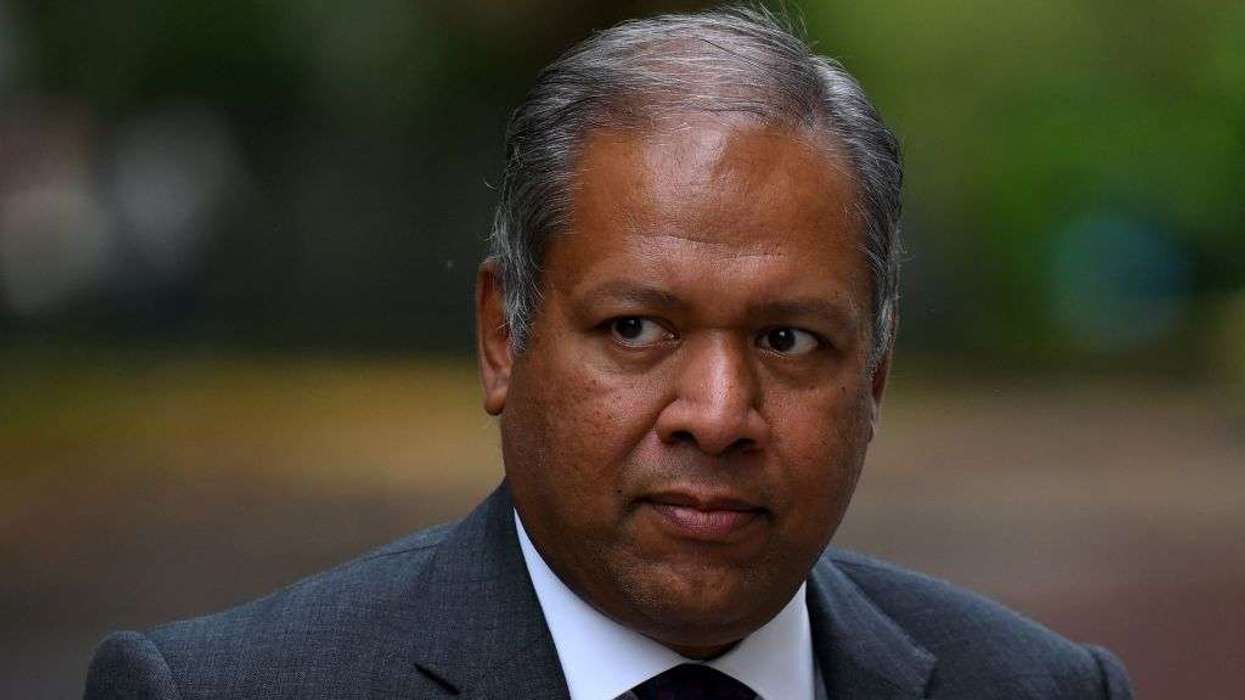

- Creditors claim eight companies linked to Market Financial Solutions were not genuine borrowers.
- The alleged scheme could have created a £1.3bn hole in the lender’s accounts.
- Regulators are examining the circumstances surrounding the shadow bank’s collapse.
The collapse of Market Financial Solutions (MFS), a £2 billion shadow bank, is now drawing deeper scrutiny after creditors alleged that a network of companies may have been used to siphon money from lenders.
According to legal filings from a creditor group, the company’s founder Paresh Raja is accused of using at least eight companies to extract funds under false pretences. These firms were reportedly presented as legitimate borrowers but were allegedly closely linked to MFS itself.
The claims have surfaced as investigators examine the sudden downfall of the shadow lender, which was placed into administration late in February following what a judge reportedly described as “very serious” allegations of fraud.
Creditors have since moved to place the eight companies linked to the case into administration. That process was approved on March 11.
Questions over a network of connected firms
Six of the eight companies involved are reportedly owned by two individuals connected to Magus Chartered Accountancy, a small London-based firm that appears to be central to the unfolding investigation.
Magus had previously acted as accountants for MFS, while also appearing to hold ownership stakes in several companies that had taken loans from the lender.
An analysis of corporate filings suggests more than 130 companies connected to Magus may have received loans from MFS. If confirmed, that could represent nearly 20 per cent of the shadow bank’s client base.
In many cases, filings indicate that companies linked to Magus received loans from different MFS lenders on the same day, secured against the same property. Creditors allege this practice — sometimes described as “double pledging” of collateral — may have significantly worsened the lender’s financial position.
According to the creditor claim, lending to connected borrowers combined with repeated use of the same collateral may have created a shortfall of more than £1.3 billion in MFS’s accounts.
Regulators and creditors examine the fallout
The collapse has raised wider questions about oversight in the shadow banking sector. MFS operated outside traditional deposit-taking banking structures, funding its lending by borrowing rather than taking customer deposits.
Despite this model, the company had backing from several major financial institutions including Santander, Wells Fargo, Jefferies and Barclays.
The scale of the collapse has reportedly prompted the Bank of England to examine the circumstances surrounding the lender’s failure.
Meanwhile, another company linked to the investigation was placed into administration on March 12. Legal filings reviewed by Bloomberg reportedly suggested the company may have been controlled by Raja and used to carry out “fraudulent wrongdoing”.
Founder denies wrongdoing
Raja’s legal team has rejected the allegations.
Mike Stubbs, a partner at law firm Mishcon de Reya and legal counsel to Raja, reportedly said there was no intention to defraud creditors.
“Mistakes have been made but there has been no intention to defraud whatsoever and Mr Raja has not been the beneficiary of any shortfall,” Stubbs reportedly said.
He added that the allegations were based on “fundamental misunderstandings and assumptions” and were “materially incorrect”.
Stubbs also said Raja and his associate Mr Hurhangee would continue cooperating with administrators and investigators as the process moves forward.
For now, the investigation into the collapse of MFS is still unfolding, with regulators, creditors and administrators attempting to piece together how one of the City’s shadow lenders ended up with such a large financial gap.