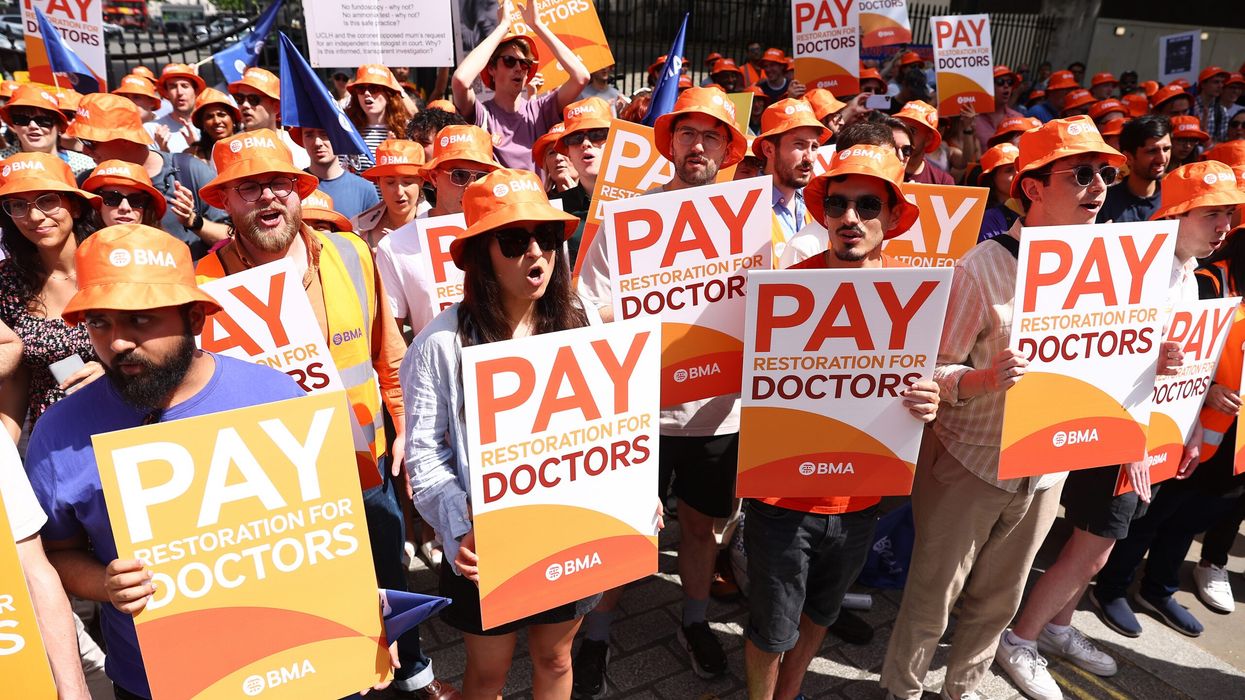

The British Medical Association (BMA) has announced a new five-day strike by resident doctors in England in the ongoing pay dispute. The walkout will take place from 17 December and will be the 14th strike since March 2023.
Resident doctors, previously known as junior doctors, make up nearly half of the medical workforce. They work from post-university level up to around a decade of experience.
They will strike across both emergency and routine services, with senior doctors covering shifts. NHS leaders said the timing would lead to major disruption during a difficult winter period.
Daniel Elkeles, chief executive of NHS Providers, told BBC: “This is an inflammatory act by the BMA. Everyone knows in the run-up to Christmas we need all hands on deck. It’s really important to be able to discharge as many patients as possible so that where appropriate they can be at home with their loved ones. It’s totally unfair to patients and to other staff working for the NHS. Both sides need to get back round the table to break the logjam.”
The BMA rejected the government’s offer, which included more training posts, better working conditions and support with expenses, saying pay had to be addressed.
Health secretary Wes Streeting said he would not renegotiate pay after nearly 30% rises over three years. The BMA said pay remained a fifth lower than in 2008 after inflation.
Dr Jack Fletcher said strikes could be avoided if the government offered a credible plan. The union’s strike mandate ends in early January, and another ballot will be held.