BANGLADESH on Friday (24) banned Iftar gatherings during the holy month of Ramadan to curb the spread of coronavirus infection.
The Muslim-majority country recorded the highest single-day spike of 503 positive cases, increasing the total cases to 4,689.
Four more people have died in 24 hours taking the total death toll due to the pandemic to 131.
According to Bangladesh's ministry of religious affairs, no individuals or institutions will be allowed to arrange or participate in any gathering over Iftar meals at dusk.
The move is to maintain social distancing during the coronavirus outbreak, media reports said. The ministry said legal action will be taken against those who fail to comply with the order.
The government has also decided not to allow more than 12 people in mosques for Ramadan evening prayers as the COVID-19 outbreak continues to escalate. The 12 will include senior clerics and other mosque officials.
The mosques' governing bodies will decide who will be included from the neighbourhoods if the quota is not filled for the prayers, state minister for religious affairs Sheikh Md Abdullah said.
Currently, the number of people allowed for mosque prayers is five. As many as 10 can offer prayers on Fridays.
Earlier, Bangladesh has decided to extend the nationwide COVID-19 shutdown until May 5 amid warnings of heightening risks of coronavirus infections in the country, including among doctors and healthcare workers.





 Jahanvi Tiwari is reshaping global beauty by celebrating brown skin Jahanvi Tiwari is reshaping global beauty by celebrating brown skin
  Jahanvi Tiwari celebrates brown beauty for a global audience
 The Brown Daughter creator champions inclusivity and self-confidence
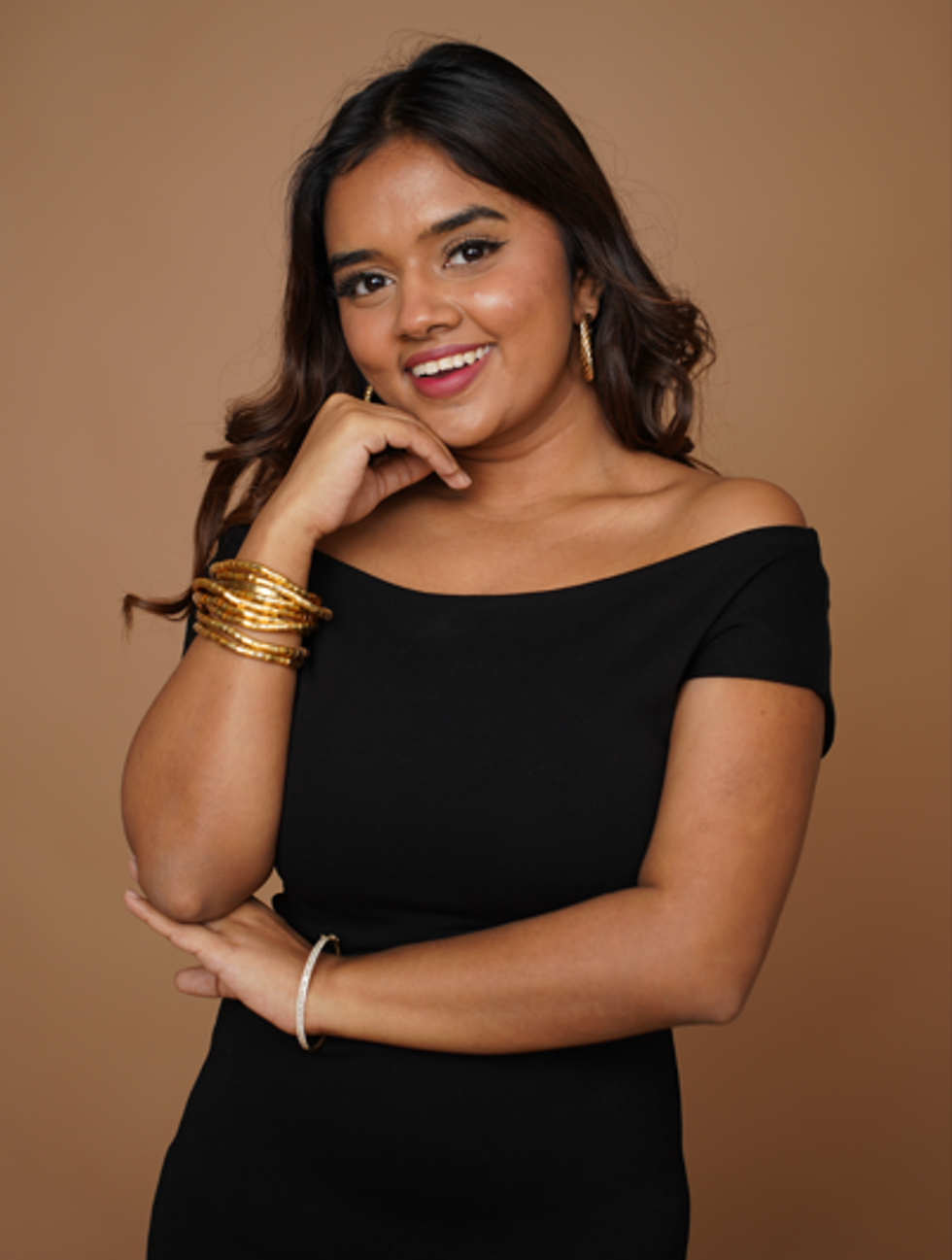 Jahanvi Tiwari turns representation into a lifestyle movement