- Thursday, April 25, 2024


By: Pramod Thomas
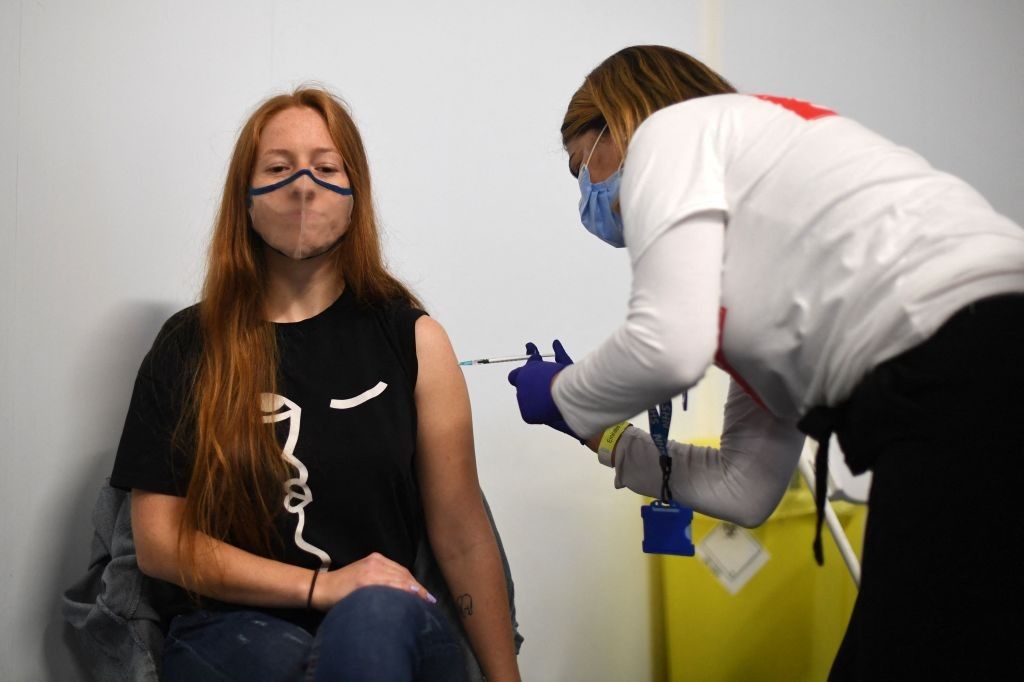
BRITAIN will allow people to be given shots of different Covid-19 vaccines on rare occasions, despite a lack of evidence about the extent of immunity offered by mixing doses.
In a departure from other strategies globally, the government said people could be given a mix-and-match of two Covid-19 shots, for example if the same vaccine dose was out of stock, according to guidelines published on New Year’s Eve.
“(If) the same vaccine is not available, or if the first product received is unknown, it is reasonable to offer one dose of the locally available product to complete the schedule,” according to the guidelines.
Mary Ramsay, head of immunisations at Public Health England, said this would only happen on extremely rare occasions, and that the government was not recommending the mixing of vaccines, which require at least two doses given several weeks apart.
“Every effort should be made to give them the same vaccine, but where this is not possible it is better to give a second dose of another vaccine than not at all,” she said.
The pandemic has killed more 74,000 people in Britain – the second-highest death toll in Europe, and health officials are racing to deliver doses to help end the pandemic as fears grow that the health service could be overwhelmed.
Earlier this week, the government reactivated emergency hospitals built at the start of the outbreak as wards fill up with Covid-19 patients.
Britain has been at the forefront of approving the new coronavirus vaccines, becoming the first country to give emergency authorisation to the Pfizer/BioNTech and the AstraZeneca/University of Oxford vaccines last month.
Both vaccines are meant to be administered as two shots, given several weeks apart, but they were not designed to be mixed together.
The government’s new guidelines said there “is no evidence on the interchangeability of the Covid-19 vaccines although studies are underway”.
However, the advice said that while every effort should be made to complete the dosing regimen with the same vaccine, if the patient is at “immediate high risk” or is considered “unlikely to attend again” they can be given different vaccines.
Britain sparked controversy earlier this week by announcing plans to delay giving the coronavirus vaccine booster shot in an attempt to ensure more people could be given the more limited protection conferred by a single dose.
The top US infectious diseases expert, Anthony Fauci, said on Friday(1) he did not agree with the British approach of delaying the second dose up to 12 weeks.
“I would not be in favour of that,” he told CNN. “We’re going to keep doing what we’re doing.”